Identifying Open Door Threats in the OR to Reduce Surgical Site Infections
Operating rooms may be among the most tightly regulated environments in healthcare facilities, Sonicu helps ensure they're safe and monitored correctly.
Learn more

Sonicu offers a comprehensive suite of monitoring solutions
that help organizations safeguard assets, automate compliance and reduce manual processes.
From protecting vaccines and research materials to safeguarding food service and facility operations, Sonicu’s monitoring applications cover temperature, humidity, pressure, and more. Whether you’re in healthcare, life sciences, food safety, or other industries, Sonicu provides visibility, compliance, and peace of mind across all your critical applications.
Designed with safety, efficiency and compliance always top of mind, we’ve evolved over a decade with continuous improvements from customer feedback. Serving the healthcare, research and food service industries.
Whether you're solving basic temperature monitoring needs or managing complex, multi-environment compliance, Sonicu’s full line of meters, sensors, and hubs has you covered.
Connect SoniCloud to the systems that power your operations. From BMS and pharmacy workflow software to lab management tools and third-party sensors, our flexible integrations help you centralize data, automate compliance, and boost operational efficiency.
Sonicu offers a comprehensive suite of monitoring solutions
that help organizations safeguard assets, automate compliance and reduce manual processes.
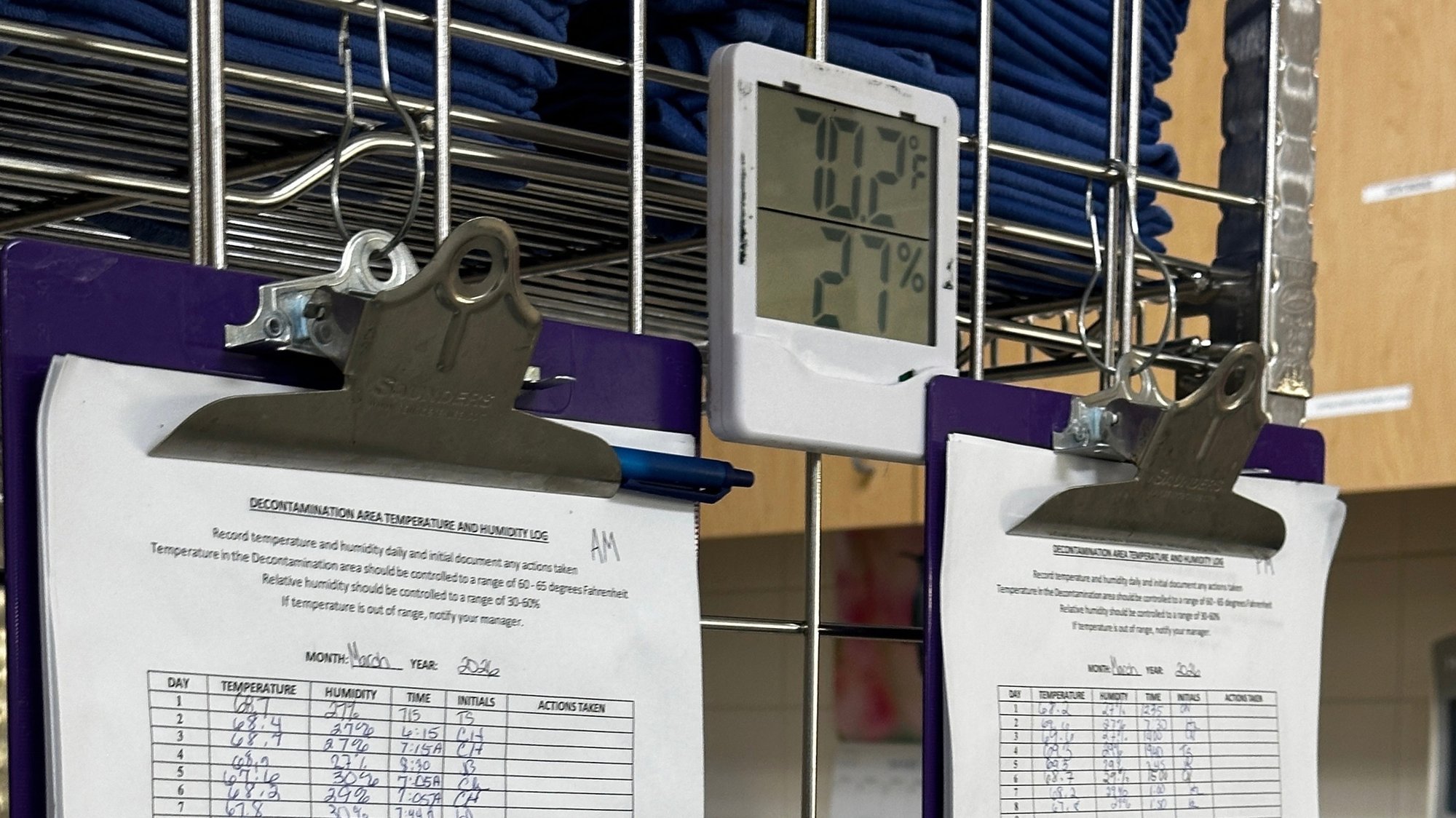
Still using paper temperature logs? Learn the hidden costs.
View Latest Blogs
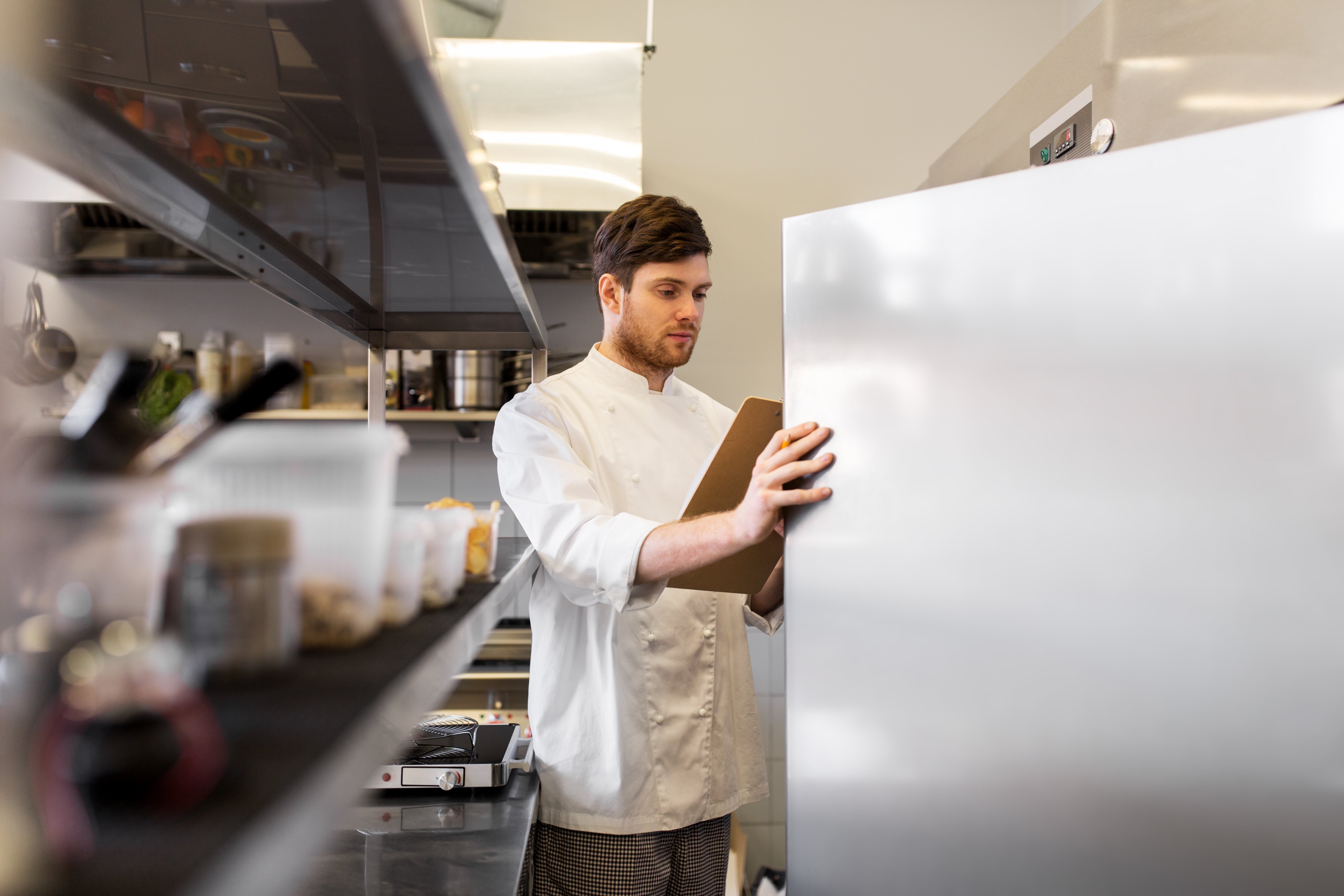
Nearly 20% of schools fail food safety inspections, according to a peer-reviewed survey by the International Association for Food Protection. Improper temperature control is one of the most common violations. In busy K-12 kitchens managing hundreds or thousands of meals daily, even minor oversights can shorten shelf life, increase waste, or create serious health risks.
School cold storage units don’t fail because team members don’t care. It fails because small temperature risks go unnoticed until food or medicine is already compromised.
Across district nutrition programs and health services, school leaders regularly encounter six preventable gaps that drive premature spoilage, safety risks, and audit headaches. The good news - these can be addressed with better visibility into food temperatures and storage conditions.
Cold food and temperature-sensitive medications both rely on consistent airflow to maintain safe conditions. When airflow is restricted, refrigeration units struggle to maintain consistent temperatures, increasing the likelihood of temperature excursions that often lead to failed inspections or ruined inventory. There are small, hardly noticeable habits that can cause insufficient airflow and speed up spoilage.
A temperature monitoring system can provide data views that help uncover the true root of the problem when it isn’t immediately obvious.
For example, a wireless temperature sensor will detect when conditions fluctuate out of range. If nothing appears out of the ordinary, you can then determine if the unit is overloaded or if the fans need to be cleaned.
It’s highly advised that schools install a door status sensor on all food storage units as well. This will reinforce staff to keep the doors closed as much as possible. Together, these two sensors help improve storage airflow and detect manageable problems sooner.
Even if your staff practices perfect stocking habits and keeps the door closed, that alone won’t prevent premature spoilage if refrigeration equipment experiences an operational breakdown:
Most inventory loss is discovered long after temperatures have already been unsafe. If any of these events happen overnight or over the weekend, food could spend hours or even days in the danger zone.
What Schools Can Do
Relying on local alarms alone is not enough. A simple on-site alarm that notifies you of temperature fluctuations by delivering a localized audible sound, for example, doesn’t help you much if you aren’t there to hear it.
The best alert notifications aren’t just an audible sound or a flickering light; they operate as part of an overall continuous monitoring system that can notify you at any time, from anywhere.
Schools with a continuous monitoring system stay more informed of temperature conditions across their entire district — even on weekends and holiday break. While nobody wants to have a work-related notification after the bell rings, having a system in place provides you peace of mind that nothing goes wrong while you’re away. And if an issue does occur, teams can quickly review alerts, notes, and corrective actions to ensure problems are addressed promptly by on-site staff
Undercooked meat silently harbors bacteria that cause foodborne illness (or food poisoning), which affects 1 out of 6 Americans per year, according to the CDC. That's why there are precise mandated internal cooking temperatures to destroy pathogens without overcooking.
CDC Minimum Internal Temperatures for Meat Commonly Served in Schools:
Estimating doneness could easily miss internal cold spots. Today’s modern tools help provide peace of mind that CDC temps are achieved with every single batch.
Manual thermometers can read room temperature and can help you catch an excursion. But they aren’t a perfect system. Here's why this is not the ideal temperature monitoring device for modern workplaces, particularly if you work in a highly regulated industry.
While handheld thermometers verify safe cooking in the moment, automated temperature logging ensures every check is documented. This creates an inspection-ready record that protects both staff and the district with clear proof of compliance.
Many districts are moving toward digital food probe systems that automatically log each temperature check. This same tool can also be used to ensure food stored in a warmer for serving stays at the right temperature.
An automated temperature monitoring system with time-stamped food temperature logs documents every batch, helping kitchens consistently demonstrate HACCP compliance while protecting food quality, student safety, and operational accountability.
Paper temperature logs were once standard practice in school kitchens. Today, it’s an inefficient use of labor hours. With regulations expecting more meals made from scratch, kitchen staff must devote more time to food prep. By completely removing pen-and-paper temperature logs from their to-do list, you give your team more time to focus on what’s crucial -- food nutrition.
The following tasks can be fully automated and stored digitally:
By choosing a monitoring solution that handles all these tasks in one unified system, schools can take significant pressure off kitchen staff. Fewer portals mean fewer tasks fall through the cracks.
Automated monitoring directly translates to hours saved weekly. Instead of 30 minutes per shift spent logging temperatures across multiple units, staff complete digital checklists in seconds using a single app.
For districts with 10+ schools, centralized dashboards provide nutrition directors with real-time visibility and full context across every kitchen without phone calls or site visits. For example, when you track both temperatures and door status under the same system, a door open notification would alert your team before temperatures drift out of range.
Automation also reduces end-of-shift paperwork stress for already understaffed kitchen teams.
Automated temperature logs create a reliable, time-stamped record of conditions across each storage unit. In practice, this allows school kitchens to trace exactly when a temperature deviation occurred and make informed decisions about what inventory is affected. Instead of defaulting to full-batch disposal, teams can isolate the specific window of risk and respond accordingly.
For example, if milk in a single cooler is flagged, historical data can show whether the issue occurred overnight, during peak lunch service, or after a door was left open. That context turns what used to be a broad “just in case” decision into a targeted, evidence-based response.
This level of traceability reduces unnecessary waste, strengthens inspection readiness, and supports clear documentation during audits.
Advanced continuous monitoring systems deliver several inspection-ready advantages:
Choose a continuous monitoring platform that unifies all documentation in one system. Staff access automated reports and trend dashboards through a single app—no hunting through folders or defending missing entries.
Nutrition directors gain district-wide visibility to instantly share audit-ready packets with inspectors. Real-time data turns compliance from reactive firefighting into proactive proof of excellence, protecting both inventory and reputation.
It isn’t just the cafeteria managing cold storage risks—the school health clinic faces stringent regulatory requirements for storing temperature-sensitive student medications and vaccines.
School nurses manage critical inventory, including:
Refrigerated student medications like insulin must stay strictly between 36°F and 46°F (2°C–8°C). If a clinic unit fails or freezes (dropping below 32°F), delicate proteins break down and render the medication ineffective. A single weekend power outage or compressor breakdown in a nurse's office can destroy thousands of dollars in student prescriptions, creating immediate health risks for students and liability for the district.
Districts can extend their continuous monitoring platform beyond the cafeteria and directly into school health offices and clinics.
By using wireless temperature sensors, school nurses receive immediate 24/7 excursion alerts on their smartphones and generate audit-ready logs automatically. Extending monitoring into health services protects student health, prevents costly inventory loss, and frees up nurses to focus on direct care.
School food safety and healthcare compliance don’t have to rely on manual logs, spot checks, or delayed discovery. With continuous temperature monitoring, districts gain real-time visibility, automated documentation, and confidence that food remains safe from delivery through service.
Sonicu's temperature monitoring platform covers these common school kitchen challenges without adding manual workload:
Simplify compliance, prevent costly inventory loss, and protect your students.
Interested in exploring how a unified monitoring platform supports safer kitchens and clinics across your district? Request more information from Sonicu.
Subscribe to our newsletter for expert insights, product updates, and strategies to keep your operations running smoothly.