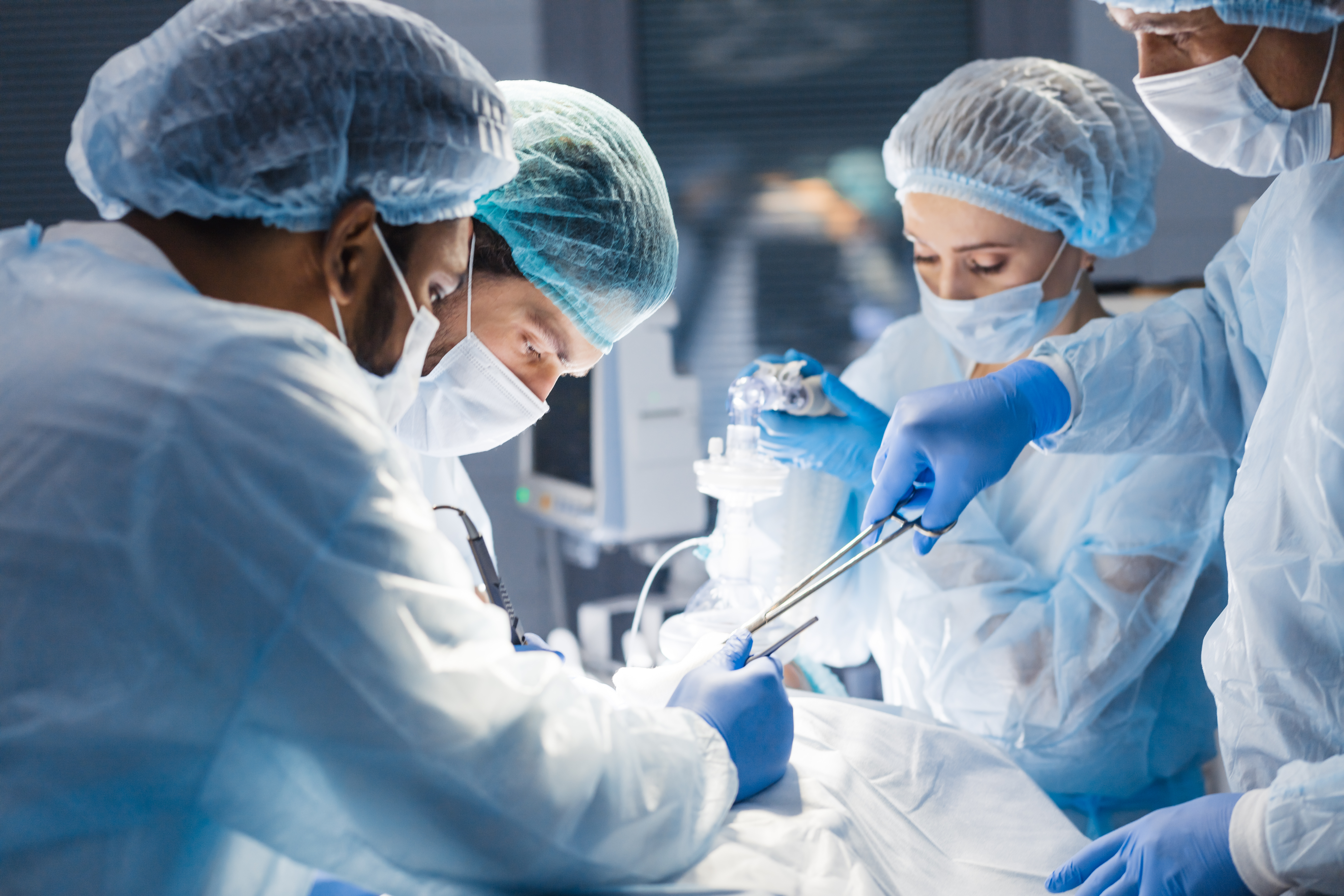
Identifying Open Door Threats in the OR to Reduce Surgical Site Infections
Operating rooms may be among the most tightly regulated environments in healthcare facilities, Sonicu helps ensure they're safe and monitored correctly.
Learn more

Sonicu offers a comprehensive suite of monitoring solutions
that help organizations safeguard assets, automate compliance and reduce manual processes.
From protecting vaccines and research materials to safeguarding food service and facility operations, Sonicu’s monitoring applications cover temperature, humidity, pressure, and more. Whether you’re in healthcare, life sciences, food safety, or other industries, Sonicu provides visibility, compliance, and peace of mind across all your critical applications.
Designed with safety, efficiency and compliance always top of mind, we’ve evolved over a decade with continuous improvements from customer feedback. Serving the healthcare, research and food service industries.
Whether you're solving basic temperature monitoring needs or managing complex, multi-environment compliance, Sonicu’s full line of meters, sensors, and hubs has you covered.
Connect SoniCloud to the systems that power your operations. From BMS and pharmacy workflow software to lab management tools and third-party sensors, our flexible integrations help you centralize data, automate compliance, and boost operational efficiency.
Sonicu offers a comprehensive suite of monitoring solutions
that help organizations safeguard assets, automate compliance and reduce manual processes.
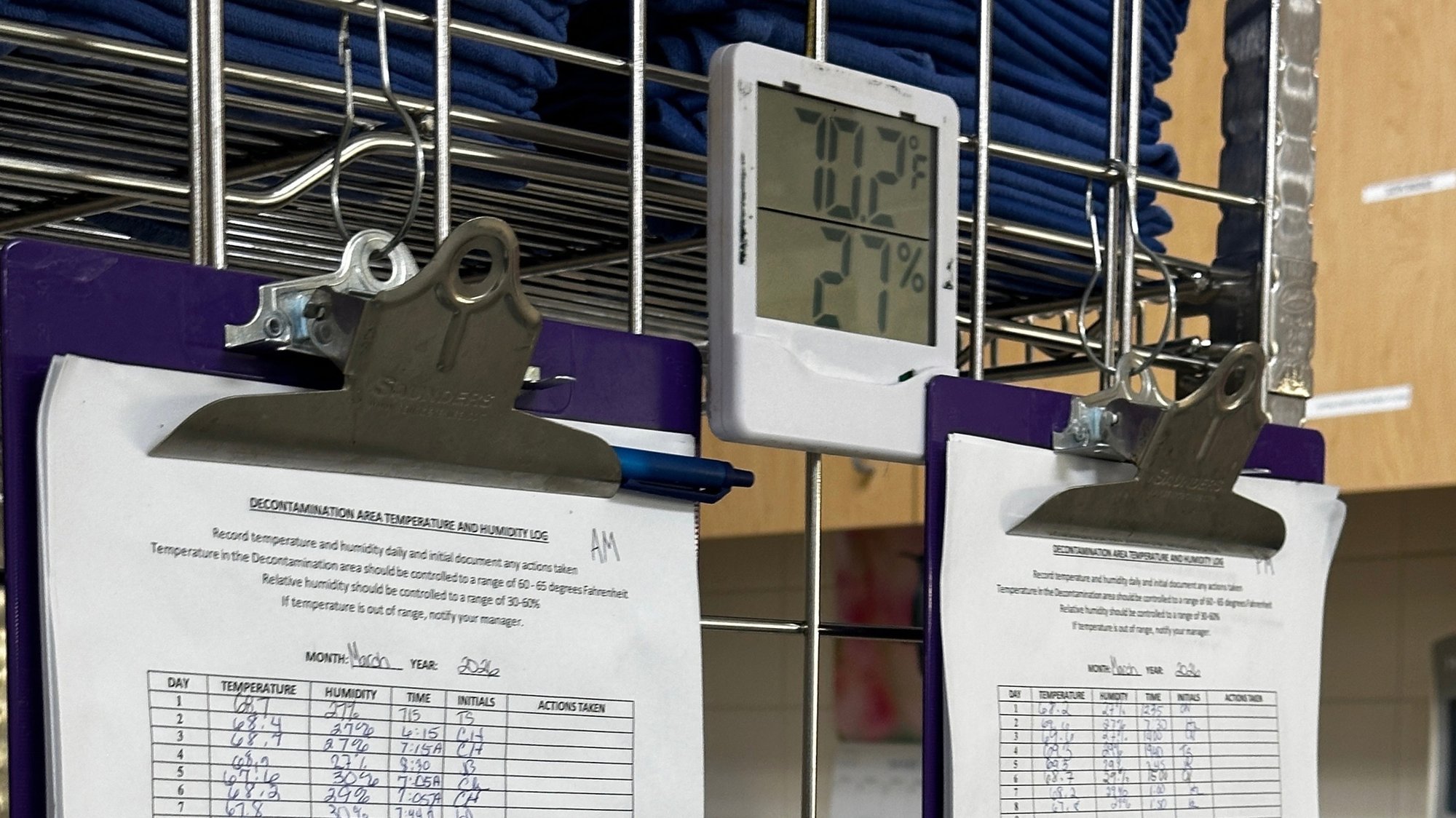
Still using paper temperature logs? Learn the hidden costs.
View Latest Blogs
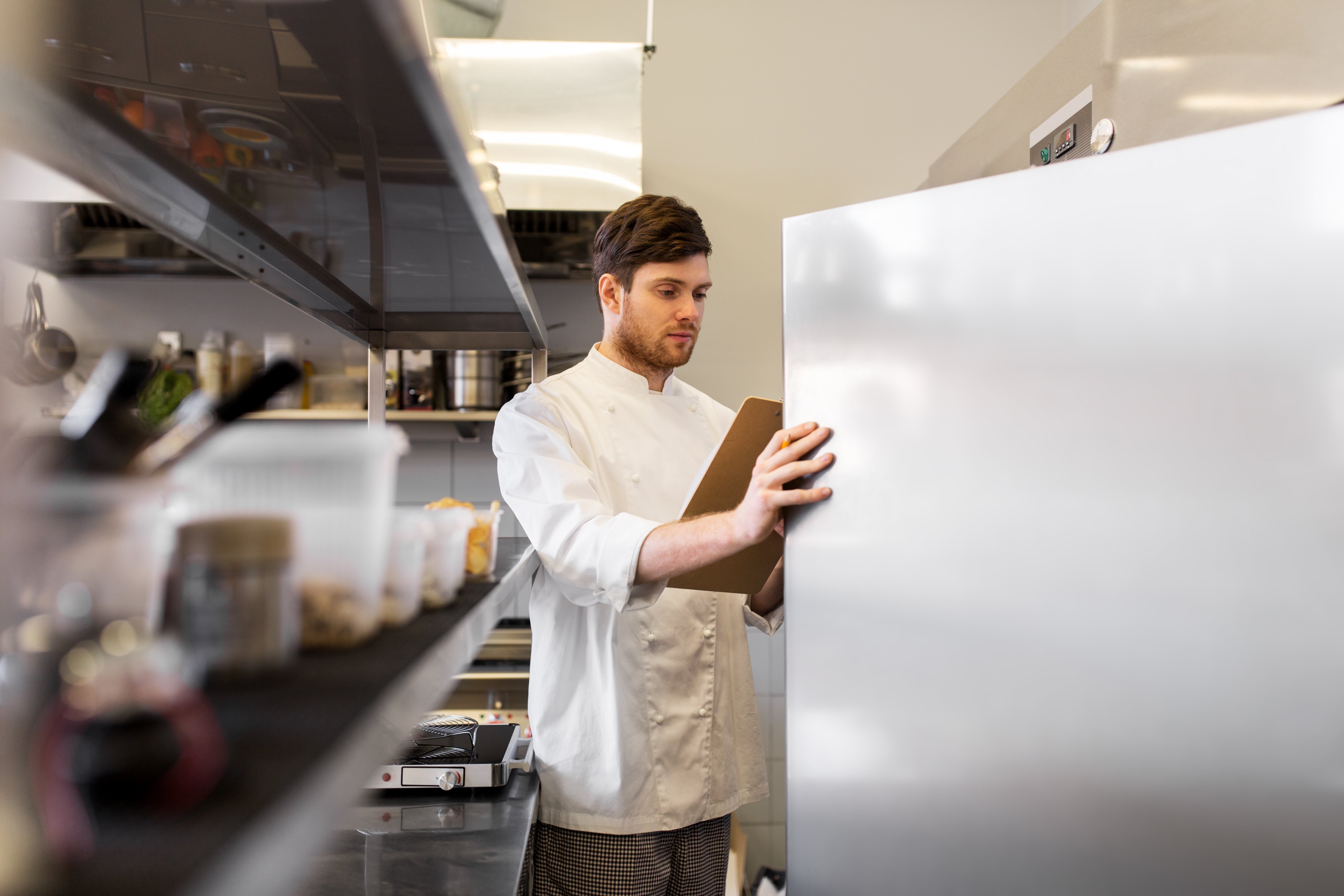
For K–12 nutrition teams, keeping food safe isn’t just a daily responsibility—it’s a vital safeguard for student health. Traditional paper checklists have been the norm for decades, but they come with familiar frustrations: missed steps, incomplete logs, and the stress of proving compliance during audits. On top of that, staff often juggle multiple kitchens, tight schedules, and strict regulations. It’s no wonder that paperwork sometimes takes time away from other essential tasks, like preparing meals or supporting students directly.
Many districts are turning to accessible, affordable digital tools to streamline these workflows and strengthen food safety practices. At the center of this shift is remote monitoring paired with a cloud-based dashboard accessible via mobile app. This setup gives teams 24/7 real-time visibility into equipment and food safety tasks across every school, helping them respond proactively to potential issues instead of reacting after problems occur.
Did you know? On average, a single cafeteria refrigerator can store $5,000–$10,000 worth of food inventory. One unnoticed temperature issue doesn’t just create safety risks, it can mean thousands of dollars in food loss and major disruption to meal service. With digital monitoring, schools can protect both student health and operational budgets by spotting problems before they escalate.
Here are five key benefits remote monitoring solutions can bring to busy school kitchens:
Digital monitoring gives staff instant insight into temperature and storage conditions. Automated alerts notify teams when equipment begins trending toward unsafe ranges, long before a true excursion occurs. For example, if a walk-in freezer starts to warm overnight due to a malfunctioning door seal, staff can respond immediately rather than discovering the issue days later.
Mobile-friendly platforms let staff check temperatures or acknowledge alerts on the go. Whether between buildings, after hours, or on school holiday breaks, teams stay connected without being on-site. This means fewer emergency call-outs, less wasted food, and more confidence that each kitchen is operating safely.
Digital systems can also record completion times, staff actions, and alerts addressed, giving administrators documented proof of response actions.
With digital systems, trends become easier to spot, like recurring cooler issues, power outages, or repeated temperature fluctuations. For example, if a specific refrigerator frequently drifts toward unsafe temperatures, the data can help justify maintenance or replacement before a failure occurs.
Clear reporting helps nutrition directors make data-driven improvements across a single school or an entire district.
For districts with multiple kitchens, digital tools centralize tasks and updates. Staff can assign responsibilities, share notes, and confirm completion from a single platform, improving teamwork and accountability.
Role-based access ensures that the right people receive alerts for their area of responsibility. Escalation workflows can automatically notify supervisors if a critical issue is not addressed promptly, reducing confusion and ensuring timely resolution.
Digital tools like remote monitoring and cloud-based dashboards reduce paperwork, manual data entry, and the time spent recreating lost logs. Schools gain fewer errors, faster workflows, and more predictable food safety processes—all without expensive equipment or complicated installations.
A northern Ohio public school district offers a clear example of the difference this technology can make. After a walk-in freezer door was accidentally left open over a weekend, the district lost more than $1,000 worth of food, an avoidable loss that highlighted how vulnerable traditional temperature checks can be.
Read the full customer story here!
In response, the student nutrition director deployed an automated, cloud-connected monitoring system across all school kitchens. The solution provides continuous real-time alerts for temperature excursions, so staff can react immediately instead of discovering issues after the fact. The director says that having mobile access to live temperature data gives his team peace of mind and helps ensure food safety across multiple sites.
He also notes that automated monitoring has eliminated much of the manual logging burden for cooks and gave the district a scalable, audit-ready system for compliance activities, freeing up time and reducing stress on already busy staff.
For K–12 programs prioritizing safety, accessibility, and operational efficiency, modern food safety technology provides an affordable, practical way to protect students, support staff, and simplify compliance. Learn how your district can implement remote monitoring today, request a demo, or contact our monitoring experts.
Subscribe to our newsletter for expert insights, product updates, and strategies to keep your operations running smoothly.