
Identifying Open Door Threats in the OR to Reduce Surgical Site Infections
Operating rooms may be among the most tightly regulated environments in healthcare facilities, Sonicu helps ensure they're safe and monitored correctly.
Learn more

Sonicu offers a comprehensive suite of monitoring solutions
that help organizations safeguard assets, automate compliance and reduce manual processes.
From protecting vaccines and research materials to safeguarding food service and facility operations, Sonicu’s monitoring applications cover temperature, humidity, pressure, and more. Whether you’re in healthcare, life sciences, food safety, or other industries, Sonicu provides visibility, compliance, and peace of mind across all your critical applications.
Designed with safety, efficiency and compliance always top of mind, we’ve evolved over a decade with continuous improvements from customer feedback. Serving the healthcare, research and food service industries.
Whether you're solving basic temperature monitoring needs or managing complex, multi-environment compliance, Sonicu’s full line of meters, sensors, and hubs has you covered.
Connect SoniCloud to the systems that power your operations. From BMS and pharmacy workflow software to lab management tools and third-party sensors, our flexible integrations help you centralize data, automate compliance, and boost operational efficiency.
Sonicu offers a comprehensive suite of monitoring solutions
that help organizations safeguard assets, automate compliance and reduce manual processes.
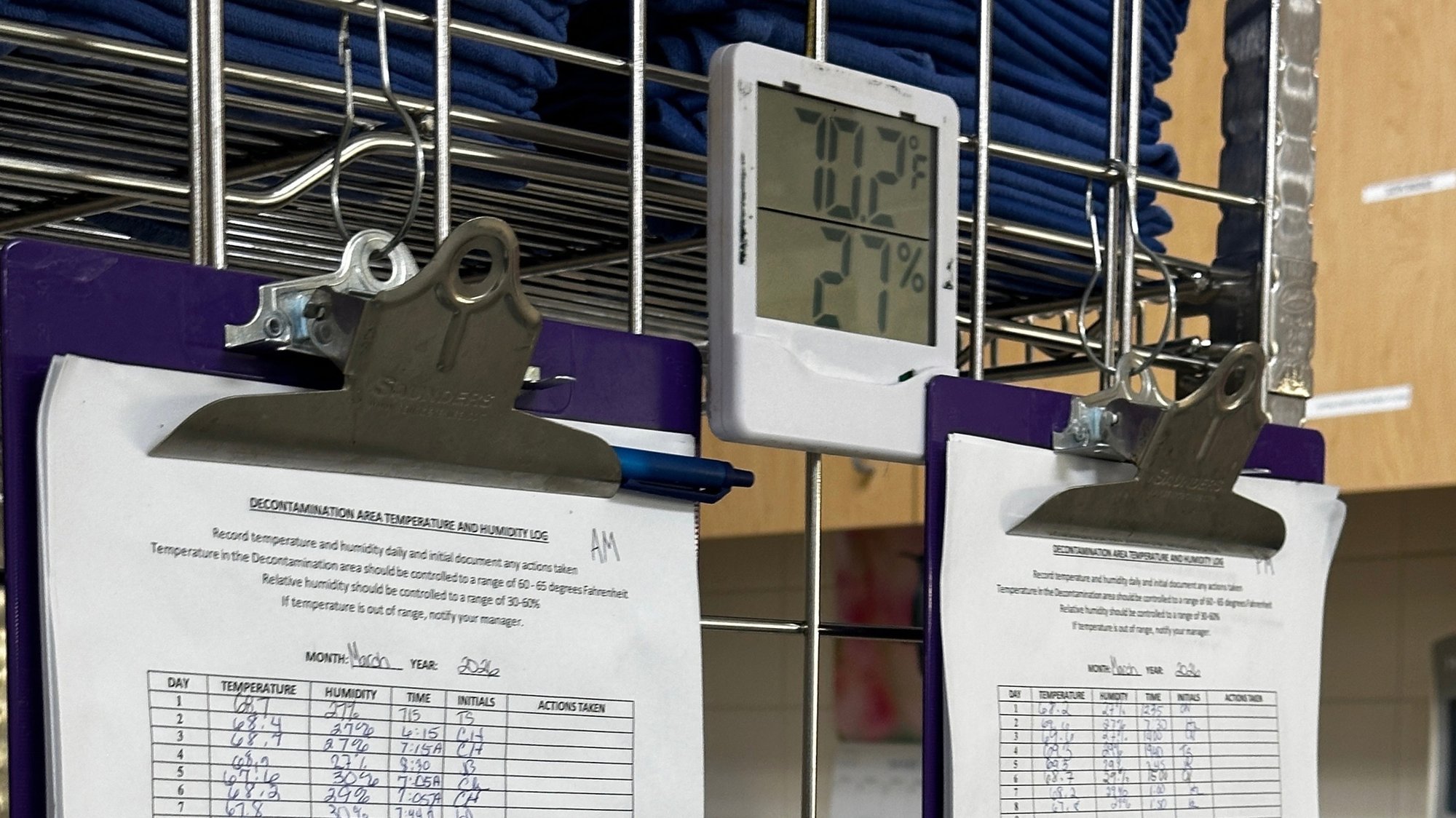
Still using paper temperature logs? Learn the hidden costs.
View Latest Blogs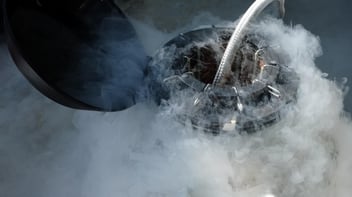
That two apparently unrelated breakdowns could occur in separate clinics, some 2,500 miles apart, on the same day exposes both the wonder and the fragility of our technology.
On March 4, the temperature unexpectedly rose inside a liquid nitrogen storage tank at Cleveland’s University Hospitals Ahuja Medical Center fertility center, compromising up to 2,000 eggs and embryos", according to news reports.
The New York Post reported that “on Sunday morning, embryologists who arrived at the center were alerted by an alarm that the temperature of the tank had increased,” according to a hospital statement. (Emphasis supplied.)
Later, the Washington Post noted that temperatures rose at the top of the tank but remained within proper levels in the lower portion. That malfunction occurred sometime between Saturday afternoon and Sunday morning, when the facility was unstaffed.
That same day at Pacific Fertility Clinic in San Francisco, a senior embryologist noticed that the nitrogen level in a storage tank was “very low” during a “routine check of the tanks” that occurred "toward the end of the day," according to ABC News. (Emphasis supplied.)
Unfortunately, it appears that embryologists at AMC in Cleveland were alerted to the temperature excursion only after they arrived at the facility, and the low-level nitrogen discovery in San Francisco was made during a routine tank check.
Three concerns stand out immediately from these incident reports: the limitations of local alarming, the necessity of multi-level tank monitoring, and the urgency for real-time data.
Local alarms, or on-premises alarms, are only beneficial if someone is present to hear them and respond. In the absence of staff presence, a local alarm is meaningless.
Sonicu's cryogenic and ultra-low-temperature monitoring technology, with advanced Smart alarming, avoids the constraints and flaws inherent in purely local alarming, improving protection at fertility clinics, animal research facilities, cryogenic labs, and health systems across the country, where irreplaceable embryos and biosamples are stored.
Sonicu Smart alarming sends messages via text, email, or phone call to any location at any time. Moreover, alarm recipient lists can be customized and tiered for specific circumstances, conditions, and response needs.
Additionally, Sonicu Smart alarming can be individually customized to user-set time and temperature buffers and thresholds that ensure ample lead time for an appropriate response.
The Cleveland incident also underscores the need to monitor the dewar at multiple levels. Though embryos at the bottom of the malfunctioning tank may have been preserved by the cooler temperature there, those at the tank's warmer top level may have been compromised.
Sonicu's digital cryogenic probes can be configured to different lengths to monitor multiple levels of a dewar. When paired with an MVP 440 Temperature Meter, the entire tank can be monitored for continuous protection throughout the entire storage area.
Finally, the necessity for real-time temperature data cannot be overstated. Routine checks are fine, but what happens between them can be devastating and insurmountable.
Sonicu's cloud-based software platform provides real-time data that is accessible from anywhere, 24/7, making temperature and other critical information constantly available.
According to the Washington Post’s report, many fertility clinics still use storage tanks that require manual cryogen filling, and more disquieting, no industry-wide standard exists for alarming protocols.
What’s more, there is currently little in the way of federal oversight for tank monitoring and inspection, although the College of American Pathologists does offer laboratory accreditation for fertility storage facilities.
As a result, it’s the industry's responsibility to learn about and incorporate the latest monitoring and alarm technologies.
Sometimes it’s the small things – universal smart alarming, complete dewar monitoring, constant data access - in a complex scheme that makes the most difference, and any solution that prevents a catastrophic failure is a big deal.
Since there is no way back from such a stunning catastrophe, the only sure remedy is not to get there in the first place.
Subscribe to our newsletter for expert insights, product updates, and strategies to keep your operations running smoothly.